Markets
Reserve Bank holds the repo rate at 7.25% on a 4 to 3 vote
Three of seven committee members wanted a 25 basis-point hike, and the Bank expects inflation to peak at 5.4% in November.
South Africa's news, from the source
Consumer and producer price inflation as measured by Stats SA, and what drives it.
Three of seven committee members wanted a 25 basis-point hike, and the Bank expects inflation to peak at 5.4% in November.
Seven of 43 economists in the BMR and Unisa competition expect a 25 basis-point hike at 15:00, after October inflation rose to 5.2%.
Fuel, transport and electricity rose much faster than food in the year to October, so what a household pays more depends on how it spends.
Statistics South Africa said annual consumer inflation was 5.2% in October, up from 4.5% in September, with transport accounting for 2.1 percentage points of it.
On Nedbank's published rates for a R10,000 balance, the on-demand JustSave account gains R25 after inflation and a notice account at 6.55% gains R205; Group Savings loses R50.
The Monetary Policy Committee raised the repo rate to 7.25%, effective 25 September; since then inflation has edged up to 4.5% and the rand has weakened 3.1% against the dollar.
The grant rose R410 to R2,400 a month since March 2023, but is worth R2,085 in March 2023 rand.
Ministers and MPs get 3.5% and judges 4%, effective from 1 April, against inflation of 4.5% in September.
The target is 3% with a band of 1 percentage point either side, and the Reserve Bank accepts a temporary miss if inflation is heading back, usually within one or two years.
Stats SA combines prices for a list of goods and services using weights that add up to 100, and the headline rate of 4.5% in September 2026 is the change in that index over 12 months.
Its October outlook puts wheat at US$311 a tonne this year and Brent oil at US$91, with a further 7% rise in food prices expected in 2027.
Factory-gate prices rose 1.0% in a month, with diesel up 11.8% and petrol up 5.9%, and are 6.2% above September 2025.
Six months in, the 2026 fuel price rise has lifted consumer prices by about 8% of the fuel increase, against 15% after the 2022 shock, the Reserve Bank's research shows.
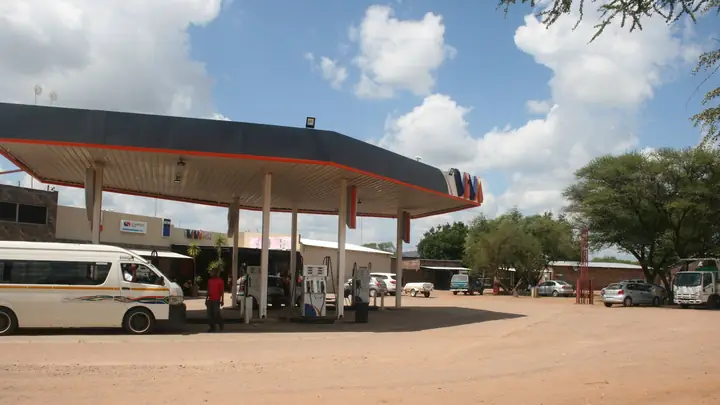
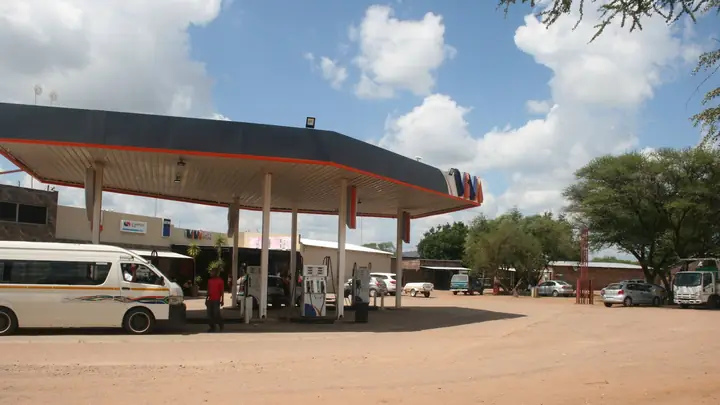
Fuel cost 6.2% more than in August and 27.9% more than a year ago, lifting transport's contribution to annual inflation from 1.2 to 1.5 percentage points.
The IMF now expects inflation to average 4.4% this year, up from the 3.9% it forecast in April, and unemployment to average 33.2%, against 32.5% in April.
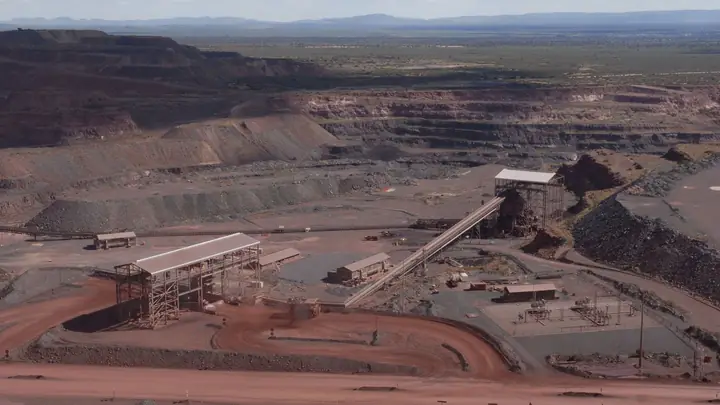
Cheaper fuel, chemicals and electricity in August slowed the rise in mining costs, but gold and PGM mines faced input cost inflation of 4.2%, the highest in the industry.