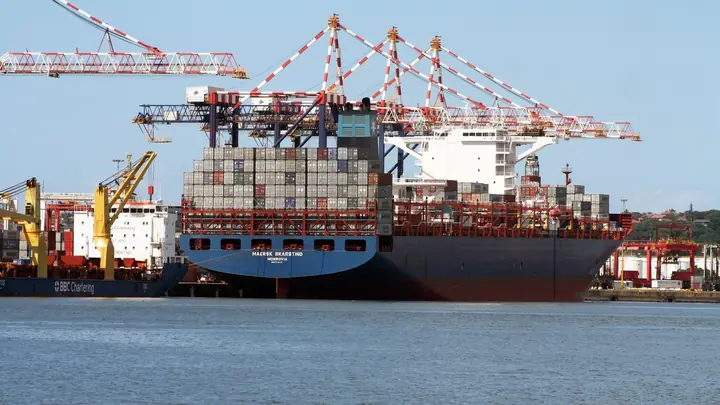
The duty on imported newsprint rose from nil to 5% on 16 October 2026, according to the South African Revenue Service. SARS listed the change in a tariff amendments notice dated 15 October 2026, which it said was scheduled for publication in the Government Gazette.
The increase covers newsprint in rolls or sheets, under tariff subheading 4801.00. It follows the International Trade Administration Commission of South Africa (ITAC) approving an application from Sappi Southern Africa for a higher general rate of duty. ITAC set out its reasons in Report No. 784.
What the commission found
Sappi is the only known local maker of newsprint, according to the report, a position that arose after Mondi left newsprint production. Sappi makes it at its Ngodwana mill in Mpumalanga. It told ITAC the mill had suffered sustained financial losses from a prolonged decline in global demand, global overcapacity and growing volumes of low-priced imports.
ITAC’s own figures covered the years 2021/22 to 2024/25. Import volumes into South Africa rose by 13% on average over the period. Canada supplied 47.2% of imports in 2024/25, followed by Brazil with 19.8% and Norway with 18.3%.
The domestic industry’s market share fell from 60.8% to 51.1% over that time, a drop of 9.7 percentage points. Its capacity utilisation fell from 68.5% to 46.1%. ITAC put production down by about 11.7%.
Domestic industry market shareCapacity utilisation
Source: ITAC Report No. 784, paragraphs 2.8 and 2.9. Chart: Rand Desk
Demand shrank too. ITAC estimated that demand across the Southern African Customs Union fell by 9.0% a year on average, while supply fell faster, by 14.0% a year. It described the global newsprint market as being in structural decline because of the shift from print to digital media.
The case against
ITAC received 13 comments from industry associations, domestic manufacturers and downstream users. Seven supported the increase and six opposed it.
Those who opposed it argued the duty would raise input costs for printers and publishers, reduce their competitiveness and could cost jobs. They also said relying on a single local supplier created risks, citing supply reliability and a limited product range, and that there was no strong evidence of harm caused by imports.
On downstream users, ITAC said the sector “remained profitable throughout the period”, while its production and sales volumes grew modestly.
The rates
The report shows a general duty of 5% after the change. The rate stays free of duty for the EU and UK, EFTA, SADC and the African Continental Free Trade Area, according to its tariff table. It also lists 5% for MERCOSUR. The report notes that the World Trade Organisation bound rate for newsprint is 5%.
ITAC decided the duty should be reviewed three years after it takes effect, to assess its effect on the local industry, downstream users and the wider value chain.
More company and trade stories are on our Business and Companies desk.
The same SARS notice lists a separate measure on a different product. It lists a provisional payment in relation to safeguard duties on imports of office paper, up to and including 3 May 2027 (ITAC Report 791). SARS said the Gazette publication details for the notice would be made available later.