Valterra Platinum will buy half of the platinum group metal concentrate from Tharisa’s South African mine from 1 January 2027, Tharisa said on Thursday. The multi-year deal replaces Sibanye-Stillwater as a buyer.
Tharisa said its subsidiary Tharisa Minerals signed a binding arrangement with Rustenburg Platinum Mines, a Valterra subsidiary, on what it called comparable terms. Northam Platinum keeps its existing arrangement for the other 50% of the concentrate. Tharisa did not give a price, a value for the deal or a reason for the change of buyer.
The two companies will also look at recovering fine chrome at Valterra’s operations using Vulcan X, Tharisa’s own recovery technology. The agreement “provides certainty for our PGM production”, Tharisa chief executive Phoevos Pouroulis said in the announcement.
Valterra chief executive Craig Miller said the deal strengthens Valterra’s third-party processing portfolio. He said the chrome work is part of improving Valterra’s cash flow margins.
What the mine produces
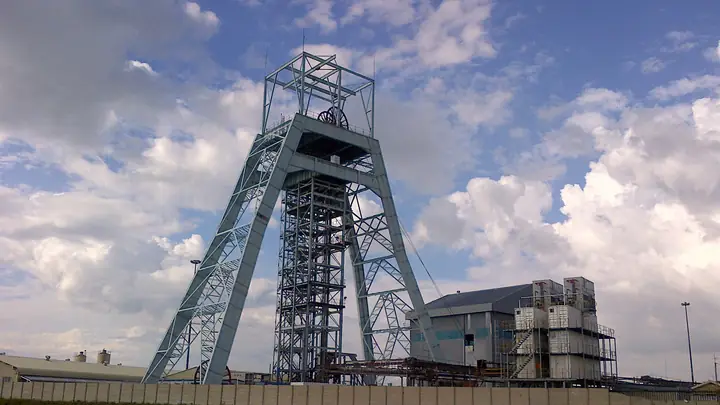
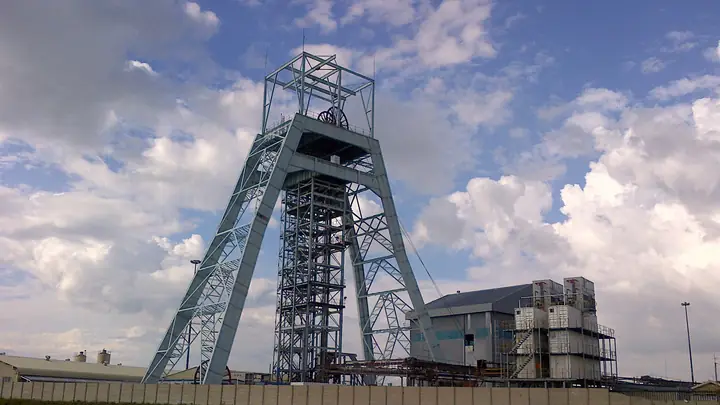
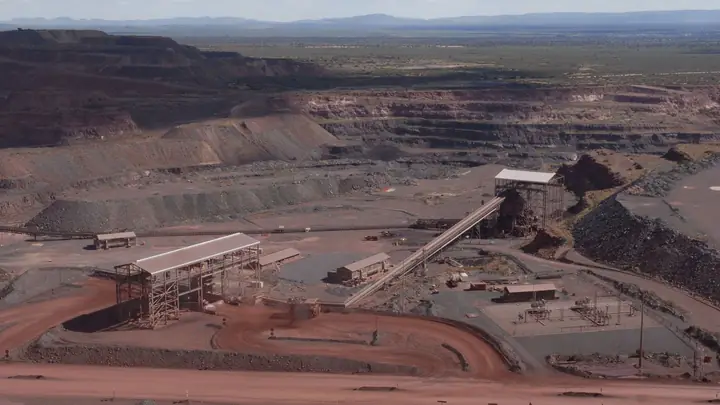
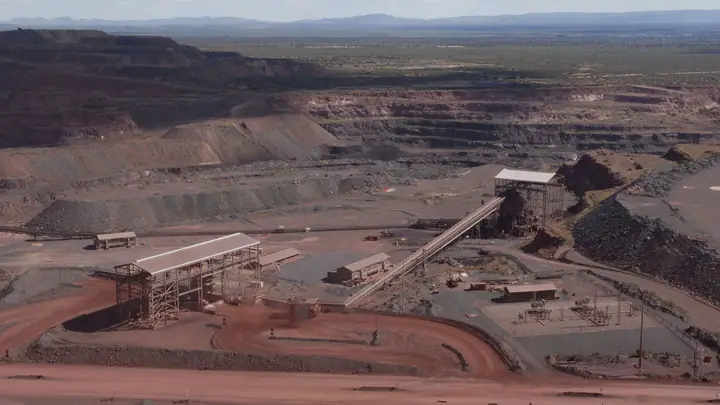
The Tharisa Mine sits on the south-western limb of the Bushveld Complex and produces PGMs and chrome from the same ore. In the year to 30 September it produced 153.7koz of PGMs on a six-element basis, up 11% on the previous year, according to the production report Tharisa released on Tuesday. That was within its guidance of 145koz to 165koz.
Chrome concentrate output was 1.56Mt, almost unchanged on the previous year. PGM production in the fourth quarter was 41.0koz, up 3.5% from 39.6koz in the third quarter but below the 41.3koz of the same quarter in 2025.
The average value of the metal in Tharisa’s PGM concentrate was US$2,607 an ounce over the year, up 61% from US$1,615. The fourth quarter was lower, at US$2,535 an ounce against US$2,681 in the third. Platinum averaged US$1,727 an ounce in the quarter, down 10% on the third quarter.
Tharisa said most of the price gains from July and August had reversed by the end of September, when high oil prices, a hawkish US Federal Reserve and a stronger dollar weighed on the PGM basket. The report gives an average exchange rate of R16.3 to the dollar for the quarter, against R17.6 a year earlier. Our story on mining input costs tracks the other side of the miners’ margins.
A second deal with Valterra
Thursday’s agreement builds on the five-year offtake deal for Karo Platinum, Tharisa’s mine under construction on Zimbabwe’s Great Dyke, which the two companies signed on 27 August. Cumulative investment in Karo stands at US$240 million, US$204 million of it Tharisa equity, against an estimated capital cost of US$516 million. Tharisa issued a US$300 million bond on 24 September to fund the rest of construction. The proceeds are held in escrow until the usual conditions are met, and drawdowns are expected from November.
At 30 September the group had US$123.6 million in cash, plus US$288.2 million held in escrow, and debt of US$462.8 million. That left net debt of US$51.0 million, against net cash of US$10.7 million at the end of June.
More company news is on our Business and Companies page. Tharisa expects to produce between 150koz and 170koz of PGMs in the year to September 2027, all from the Tharisa Mine. First ore is due to reach the mill at Karo in the last quarter of 2027.