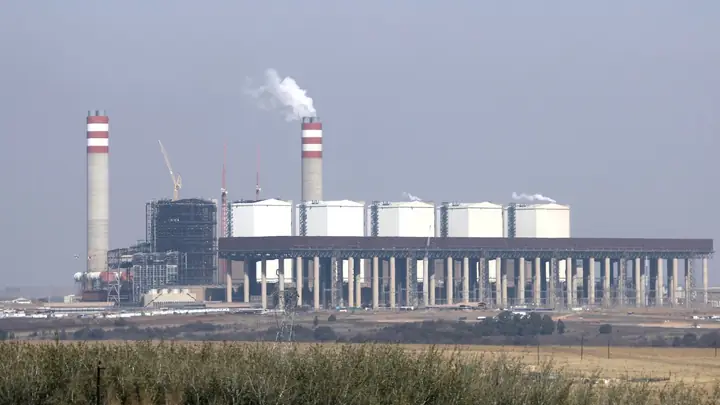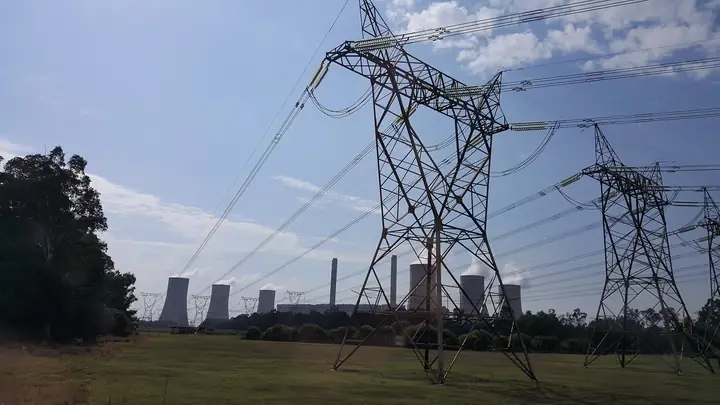
Transalloys, a privately owned Witbank manganese producer, said on Tuesday it will start retrenchments, an initial cut of about 10% of its workforce, within two weeks.
The company blames the energy regulator Nersa, which has not approved a reduced electricity tariff that Transalloys agreed with Eskom. According to The Citizen, which reported the announcement, Nersa has yet to start the public participation process that the approval requires.
Chief executive Konstantin Sadovnik said the company has no choice left. “Delays are now going to cost jobs,” he said, in comments reported by The Citizen. Further retrenchments could follow if the impasse continues, the company said.
Production at the Witbank plant stopped on 1 July 2026. The company cited its manganese smelting electricity costs. It told The Citizen its legal consultations are finished. If nothing is resolved, the first retrenchments follow within a fortnight.
What the company says it needs
Sadovnik wrote to Nersa and copied the relevant government departments. He asked for a clear timetable and approval before Christmas. The company points to the ferrochrome industry, where relief talks produced a framework that included a tariff of about 62c a kilowatt hour.
Silicomanganese smelting needs about 30% more energy than ferrochrome, the company says, which puts its costs higher. Sadovnik said he did not know why manganese producers have waited longer for approval than the ferrochrome sector, where a pricing framework already exists.
The job warnings are not new. In December 2025 the company put about 600 direct jobs, and roughly 7,000 livelihoods that depend on them, at risk. Sadovnik says permanent closure would destroy an asset valued at about R6 billion and remove the country’s remaining manganese smelting capacity. The Citizen describes Transalloys as the only South African producer of manganese ferroalloys. These are the company’s own estimates. The report carries no response from Nersa.
How retrenchments work
Retrenchments for operational reasons start with a consultation under section 189 of the Labour Relations Act. The employer has to give its reasons, the number of jobs at risk and the alternatives it weighed. Where section 189A applies, the minimum consultation period is 60 days, The Citizen explained.
Our own earlier coverage explains how Nersa approves electricity tariffs and how this year’s metro increases reach household bills.
The next step is the two-week window the company has set for the first retrenchments. Sadovnik wants Nersa to start public participation and approve the tariff before Christmas.